DIY Van Insulation: Comparing Cheap Materials (Foam Board vs. Reflectix vs. Wool)
The Truth About Van Insulation (It's Not What You Think)
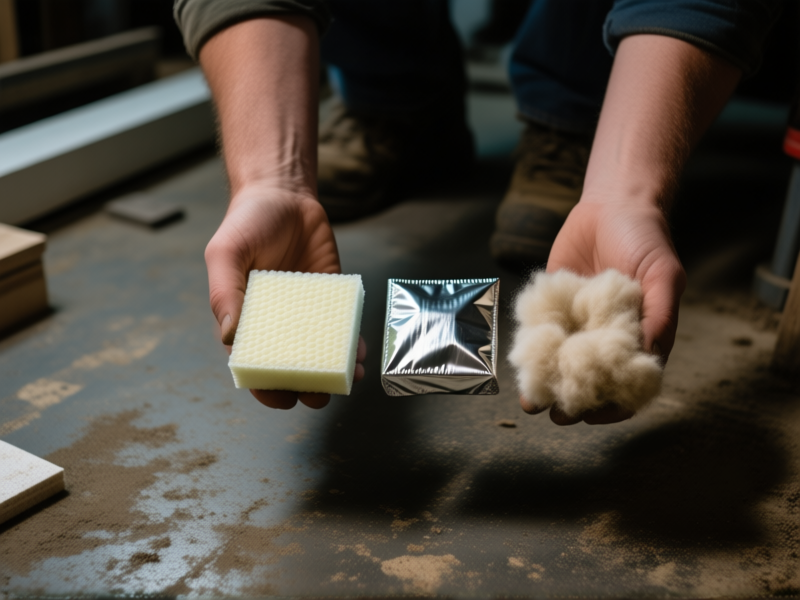
Let's cut through the noise. Insulating your van isn't about making it a five-star hotel. It's about stopping condensation, managing temperature extremes, and saving your lungs from mold. Get that wrong, and you're building a rolling petri dish. The internet is full of holy wars about the "best" material. Here's the thing: there's no perfect solution. Only the right solution for your budget, your climate, and your sanity. We're breaking down three popular, wallet-friendly contenders. Time to pick your fighter.
Foam Board: The Rigid Workhorse (With a Few Quirks)
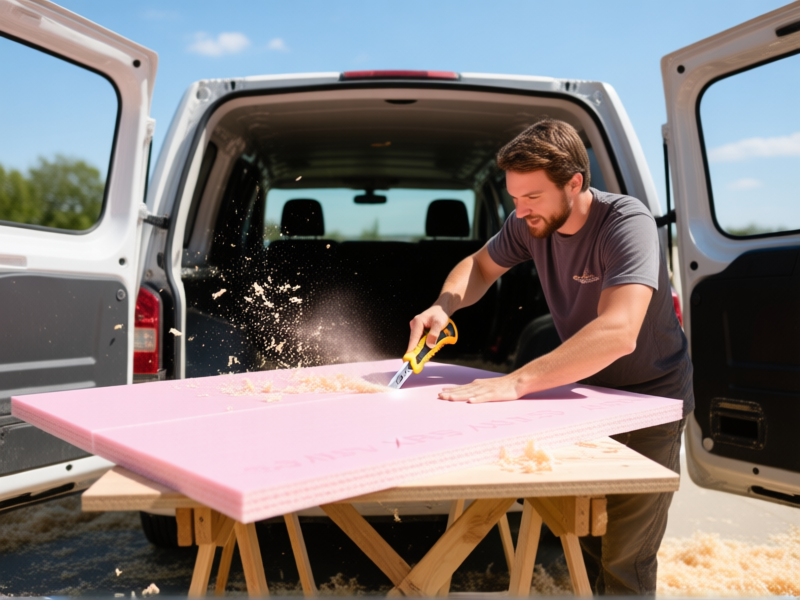
This is the go-to for a reason. Polyiso or XPS foam board gives you serious bang for your buck on R-value (the thermal resistance number). It's rigid, so it's structural—you can compress it between ribs for a tight fit. Actually cuts with a simple knife. But. The big but. It's a vapor barrier. If you slap it directly against your cold metal van wall, moisture will get trapped behind it. Guaranteed. You *must* create an air gap or use a breathable layer behind it. And cutting all those complex curves around wheel wells? A test of patience. Cheap? Relatively. Forgiving? Not really.
Reflectix: The Shiny Misunderstood Hero (It's Not Insulation)
Everybody buys this stuff. And almost everybody uses it wrong. Reflectix is a radiant barrier. Let me yell that for the people in the back: A RADIANT BARRIER. On its own, sandwiched flat against a wall, its R-value is basically a joke—like R-1. Its power comes from an air gap. You need that shiny surface facing an air space to reflect radiant heat (think: summer sun on your roof). Used right—stapled to the *inside* of your ribs, creating a gap before your real insulation—it's a killer combo. Used as your primary insulation? You'll be cold. And disappointed.
Sheep's Wool: The Breathable, Pricey All-Star
This is the luxury pick of the cheap(ish) materials. It feels good to work with—no itchy fibers, no nasty chemicals. The big win? Wool is hygroscopic. It absorbs and releases moisture vapor without losing its insulating power. This is a massive deal for fighting condensation. It's naturally mold and mildew resistant. Sounds perfect, right? Here's the catch: cost per R-value. You'll pay more upfront than foam. And you need to pack it densely to avoid settling. But if you hate plastic and love a breathable build, this is your jam. It just works.
So, What Should You Actually Do in Your Van?
Stop looking for one magic material. Think in systems. My blunt advice? Combine them. Use Reflectix properly as a radiant barrier on your ribs. Fill the cavity with rigid foam board cut to fit. For the tricky, curved areas where foam is a nightmare, pack in dense wool. This plays to each material's strength. It manages moisture, blocks radiant heat, and gives you a solid thermal break. Yes, it's more work. But building a van is work. Do it once. Do it right. Then go make a coffee and admire your mold-free, cozy metal box.