How Much Does a Minimalist Van Conversion Really Cost?
The Van Itself: The Biggest, Most Unavoidable Bill
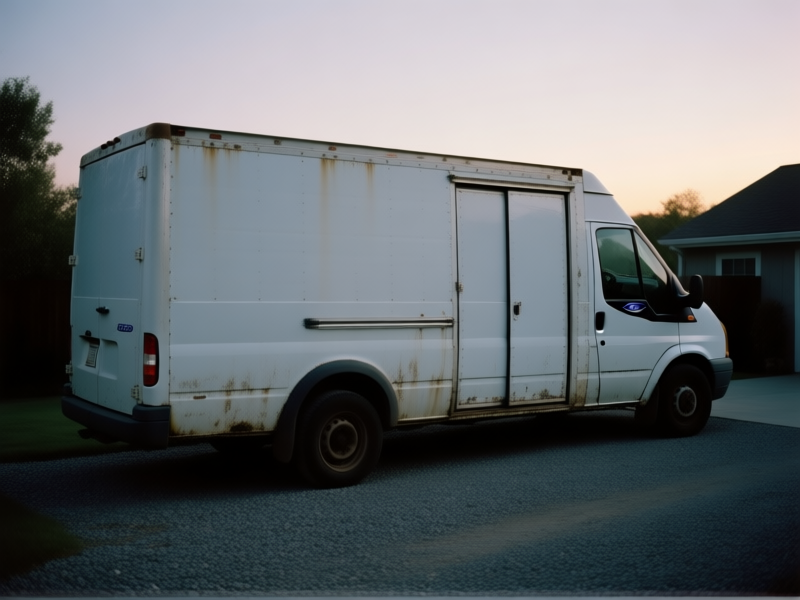
Let's cut through the Instagram fog right now. The single biggest line item isn't your fancy sink. It's the metal box on wheels. We're talking a used, high-roof cargo van. A Ford Transit, Mercedes Sprinter, or Ram ProMaster. You're looking at $20,000 to $40,000 for something with decent miles that won't explode on the first mountain pass. That's before you unscrew a single panel. This is the hard truth of "minimalist." You can't minimalize this cost away. It's the ticket to the game.
Insulation & Floor: The Boring, Non-Negotiable Stuff
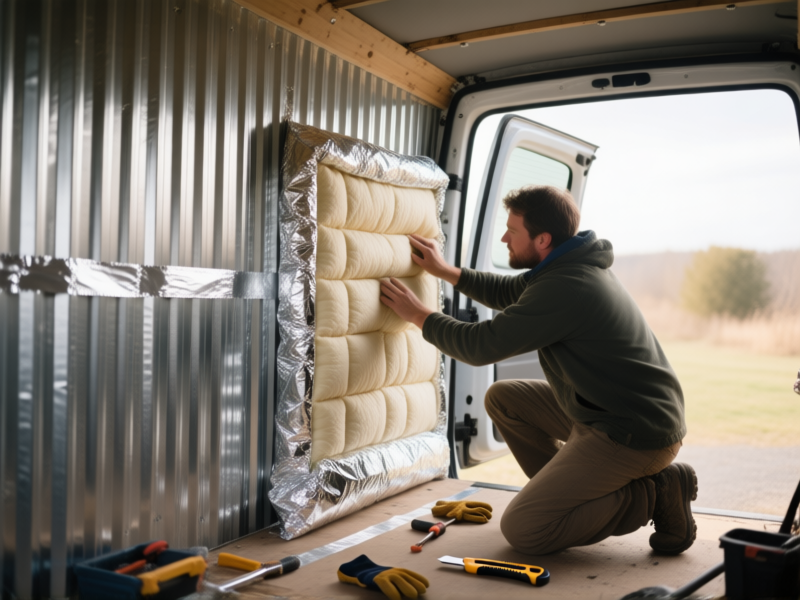
Here's the thing. Minimalism isn't about skipping essentials. It's about doing them smart. You need insulation. Period. Otherwise, you're a rolling sauna or icebox. Skip the expensive, fussy spray foam. Go for thinsulate or rockwool slabs. Simple. Effective. The floor? Plywood subfloor on top of some rigid foam insulation. It's not glamorous. It's not a TikTok trend. It's the foundation that makes living in a tin can actually bearable. This stage might cost you $500-$1500, but skimp here and you'll regret every single day.
Electrical: Lights, USB, and a Cooler. That's It.
Forget the 3000-watt inverter, the induction cooktop, the 12-volt television. That's not minimalism; that's a basement apartment on wheels. A bare-bones electrical system is shockingly simple. One good lithium battery. A couple hundred watts of solar on the roof. A basic charge controller. Wire up three or four LED lights, three or four 12V/USB outlets for phones and a fan, and call it a day. This powers your essentials: light, communication, and keeping your beer cold in a 12V fridge. Total? Maybe $1,200 to $2,500 if you do it yourself. Suddenly, it feels possible.
The Bed & Kitchen: A Platform and a Plastic Bin
This is where the minimalist dream gets real. Your bed is a plywood platform. Maybe it lifts for storage. You throw a 3-inch foam mattress topper on it. Done. The kitchen? A piece of countertop secured to the wall. A single-burner butane stove. A small plastic tote for your pot, pan, plate, and spork. Your "sink" is a $20 collapsible basin you fill with a jug of water. You are not cooking a five-course meal. You are reheating beans and boiling water for coffee. This setup costs hundreds, not thousands. It’s liberating.
The Real Grand Total (Spoiler: It's Not $5k)
So let's add it up, with clear eyes. A decent van: $30,000. Insulation, floor, walls: $1,200. Simple electrical: $2,000. Bed/kitchen basics: $800. Then the forgotten things: a roof fan ($300), window covers ($150), basic tools and fasteners ($400). You're already at, what, $34,650? And that's before any surprises. A minimalist conversion isn't dirt cheap. But it's radically simpler. It's about investing in the shell and the essentials, and ruthlessly cutting everything else. You're not building a condo. You're building a mobile shelter that gets you out there. That's the real cost, and for many of us, it's worth every penny.