How to Build a $3,000 "Weekend Warrior" Campervan from a Minivan
The Minivan Is the Ultimate Stealth Machine (And Cheap)

Forget the $100k Sprinter. Let's be real. The true hero of the weekend adventure isn't some lumbering beast that guzzles diesel and screams "TOURIST." It's the humble minivan. Think about it. They're everywhere. They're cheap to buy, cheap to run, and you can park them anywhere without drawing a second glance. You're not building a mansion on wheels. You're building a secret base for spontaneous getaways. That's the goal. A reliable, unassuming vehicle you can take from grocery-getter to forest hideout in under 48 hours. The minivan is your blank canvas, and trust me, the paint job is optional.
Hunting Your $1,500 Steed: Forget Pretty, Find Mechanically Sound
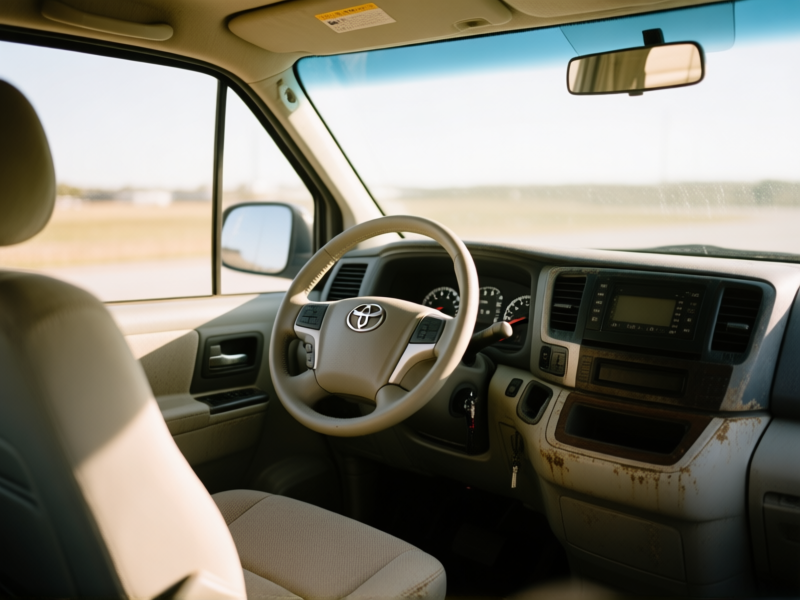
Here's where most people screw up. They look for the van with the nicest paint. Bad move. You want the van with the cleanest service history. Your entire $3,000 budget hinges on not buying a mechanical nightmare. Scour Craigslist, Facebook Marketplace. Target early 2000s Honda Odysseys or Toyota Siennas. Look for the one-owner, "grandma's church van." High miles are okay if the transmission has been serviced. Bring a code reader. Listen for weird sounds. A busted AC or a dented fender is a bargaining chip, not a deal-breaker. Spend wisely here. Aim for $1,500-$2,000. The rest is for the fun part.
The "Weekend Warrior" Blueprint: Bed First, Everything Else Maybe
You don't need a full-on architect's plan. You need a single, solid idea: where you'll sleep. Everything else is negotiable. For a weekend rig, prioritize a comfortable bed platform. This is non-negotiable. My formula? Build a simple, raised platform out of 2x4s and plywood. This gives you a massive storage void underneath for gear, coolers, and bins. That's your entire "garage." The platform itself is your bed. Add a 4-inch foam mattress topper. Seriously, that's it. You now have a place to crash after a long day of hiking. Worry about fancy cabinets and sinks later. Bed. Storage. Done.
The 48-Hour Transformation: Tools, Insulation, and Platform
This is the sweat equity. Weekend One. You'll need a drill, a saw (a cheap circular saw works), a staple gun, and a socket set. Step one: rip out the middle and rear seats. It's cathartic. Revel in it. Step two: basic insulation. Don't overthink it. Get some Reflectix bubble foil and cover the metal walls. It's not for Arctic expeditions; it just cuts down on condensation and road noise. Staple it up. Step three: build your bed platform. Measure twice, cut once. Bolt the frame to the van's existing seat anchor points for stability. Throw the plywood on top. It's starting to look like something.
Power & The Bare Minimum "Kitchen"
You're not wiring a spaceship. For a couple of days, you can skip a complex electrical system. Get a portable power station. They're essentially giant, safe lithium batteries with outlets and USB ports. Charge it at home, or get a small 100-watt solar panel to toss on the dashboard. This runs your phone, a fan, lights, and even a mini fridge. For cooking? A simple plastic bin is your "kitchen." Store a small camp stove, a pot, utensils, and non-perishable food in it. Pull it out when you stop. A 5-gallon water jug with a spigot is your sink. Fancy? No. Functional? Absolutely.
Hit the Road. Your Imperfect Van is Perfect.
The biggest mistake is waiting until it's "finished." It will never be finished. There will always be another little project. Ignore that voice. Throw your sleeping bag on the plywood, toss your kitchen bin in the back, and go. Spend a night in it at a friend's place or a local campground. You'll immediately learn what you *actually* need. Maybe you need a better way to organize clothes. Maybe you want a little table. You'll figure it out on the road. The point was never to build a showpiece. The point was to get you out there. Your $3,000 van is already doing that.