How to Get Mail and Internet When You're Broke and Living in a Van
Solving the "What's Your Address?" Problem Like a Hustler
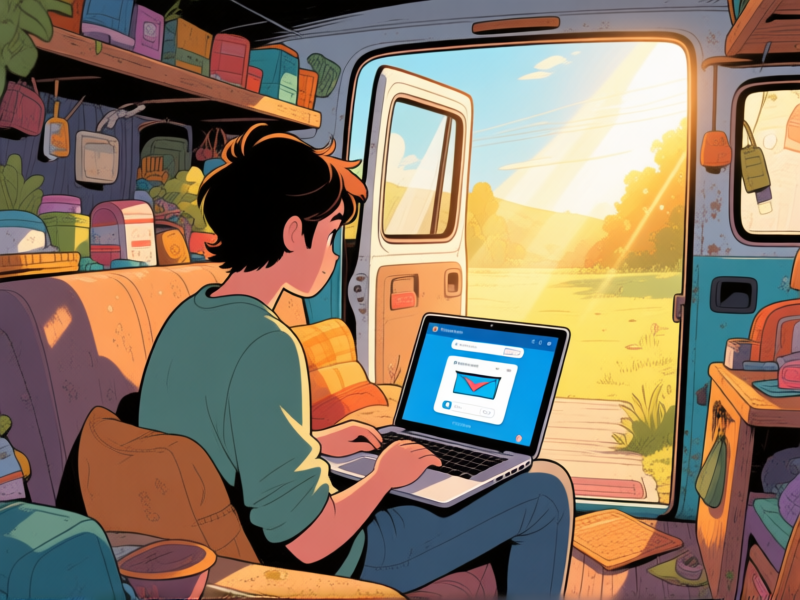
Let's be real. The DMV, your bank, and that sketchy "account verification" email don't care that you live in a van. You need an address. A real one. But a physical mailbox is a luxury when you're mobile. Here's the workaround. First, a PO Box is the classic move, but prices can creep up. Actually, check out services like USPS's "General Delivery." You can have mail sent to a post office in any town, marked "General Delivery," and they'll hold it for you. Free. But for official stuff that needs a street address, you need a "virtual mailbox." Companies like Traveling Mailbox or iPostal1 give you a real street address. They scan your mail's envelope, and you can view it online. You tell them to trash the junk, open the important stuff, and scan the contents. It costs money, but it's cheaper than rent. Sometimes you gotta spend a little to save a lot of headache.
The Hunt for Free WiFi (Without Looking Like a Creep)
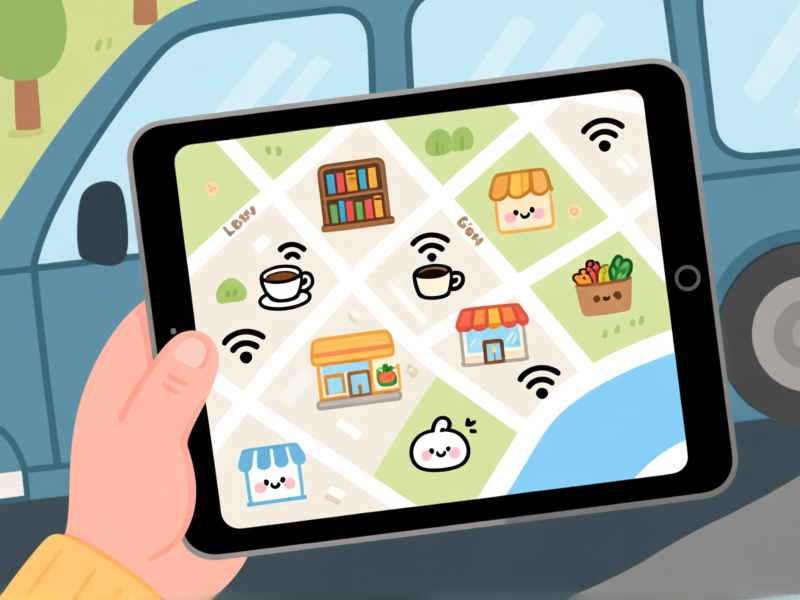
Your new best friends? Public libraries. Seriously. Free AC, bathrooms, desks, and usually rock-solid, free internet. No purchase necessary. Just don't camp out for 12 hours—be cool. Next tier: big-box stores and grocery stores. Lowe's, Home Depot, Whole Foods, Starbucks. Their parking lots often have a usable signal you can tap into from the driver's seat. Cafes work, but the expectation is you'll buy a coffee. That's the social contract. Buy the cheapest thing on the menu and make it last. Pro tip: libraries and some cafes often have after-hours WiFi that bleeds into the parking lot. Test it in the evening. Park strategically.
Mobile Data That Doesn't Eat Your Last Dollar
Free WiFi is great until you need to send an email at 2 AM in a Walmart parking lot. You need your own data. But phone contracts are a trap. Here's the thing. Ditch the big carriers. Look at their prepaid brands or Mobile Virtual Network Operators (MVNOs). Companies like Mint Mobile, Visible, or US Mobile. They use the same big towers (like T-Mobile or Verizon) but charge way, way less because you pay upfront. You can get a plan with a decent chunk of data for $25-40 a month. Buy a cheap, unlocked phone and pop in their SIM. Then, turn on your phone's mobile hotspot. Boom. Your van just got internet. It's not "unlimited" high-speed for heavy streaming, but for work emails, maps, and browsing? Lifesaver.
Don't Get Hacked at the Coffee Shop
Okay, safety rant. Public WiFi is a hacker's playground. They can see what you're doing if you're not protected. Logging into your bank on cafe WiFi? Risky business. The fix is simple and non-negotiable: a VPN. A Virtual Private Network. It encrypts everything leaving your device, making it useless to anyone snooping. Some are expensive, but good ones like ProtonVPN have solid free tiers with decent limits. Or check out Windscribe. Paying for one is a smart investment—it's like a lock for your digital door. You wouldn't leave your van wide open. Don't do it with your data.
Your Mail, But Digital and On Your Time
Back to mail for a second. That virtual address I mentioned? Its superpower is turning physical clutter into digital files. You get an app notification: "You have new mail." You click. You see a scan of the envelope. Is it a jury summons? A birthday card from grandma? You decide. Click "scan contents" and they'll open it and upload a PDF. You can then forward the physical item (if you really need it, like a new debit card) or have them shred it. This is perfect for van life. No more "I have to swing back to Montana to check my PO Box." Your mail is wherever you have a signal. It turns a huge logistical headache into a few taps. Worth every penny of that $15-$20 a month.
Steal These Ideas from Other Broke Van Dwellers
The best hacks aren't found on corporate blogs. They're traded over a campfire. In online forums and groups, people share the specific libraries with the best outdoor signal, the McDonald's with fast, unlimited WiFi, and the cheap MVNO promo codes. They talk about DIY signal boosters (a $20 antenna can work miracles in weak areas). They know which businesses have guest passwords posted on the window. This life forces you to be resourceful. Your network—both the digital and the human one—is your most valuable asset. Ask. Share. The person parked next to you might just know the perfect spot to upload that job application tomorrow