No-Weld, No-Pro Tools Van Build: Essential Gear for the Basic DIYer
The Big Secret: You Don't Need a Garage Full of Metal to Build a Home
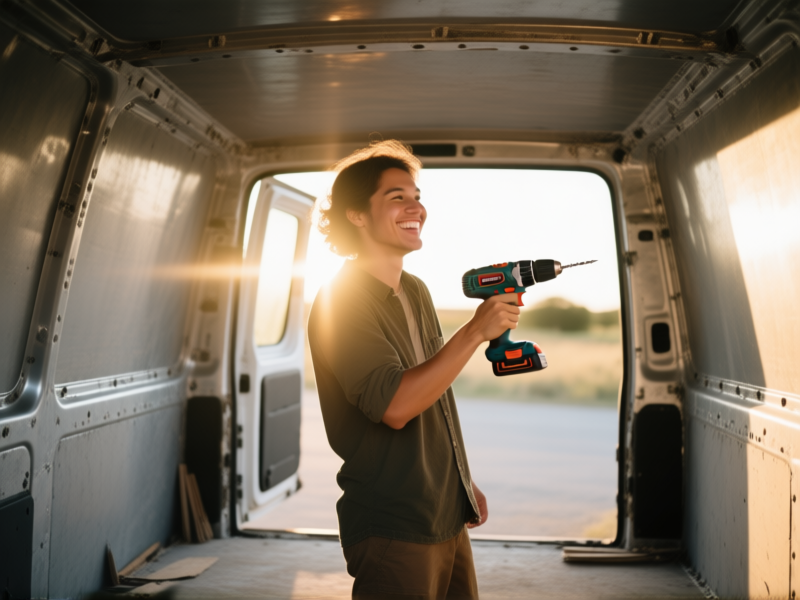
Let's get this out of the way right now. You're not building a spaceship. You're turning a metal box into a cozy place to sleep and store your socks. The biggest barrier for most people isn't skill—it's the intimidating idea of welding, plasma cutters, and a shop full of gear that costs more than the van itself. Here's the truth: your grandpa's basic toolkit and a trip to the big-box hardware store is 95% of what you need. The secret isn't fancy tools; it's clever design that works with wood, screws, and glue. Forget welding. We're using brains over brawn. And maybe a lot of zip ties.
The Holy Trinity: Your Power Tool Starter Pack
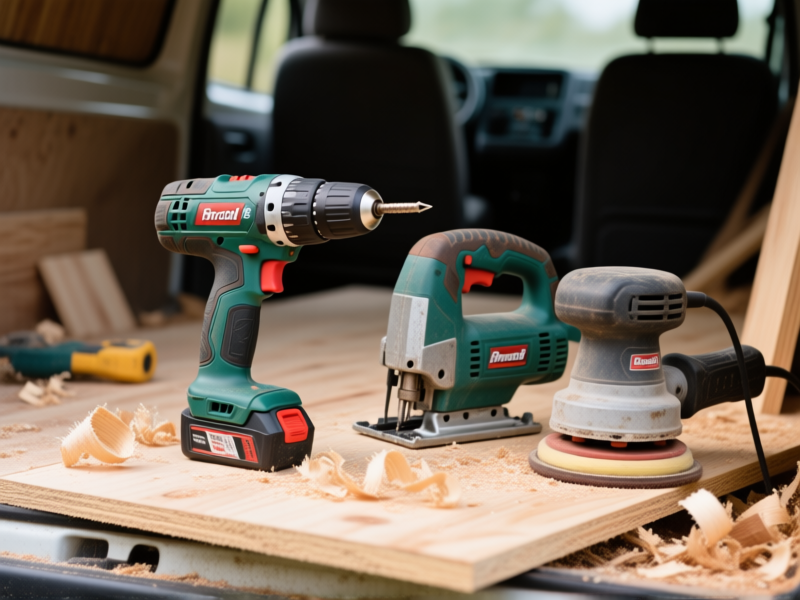
This is your non-negotiable core. You can build almost everything with these three. First, a good cordless drill/driver combo. Don't cheap out completely; get one that feels good in your hand. You'll be driving hundreds of screws. Next, a jigsaw. This is your curves-and-cuts workhorse for plywood. Need a hole for a vent fan? Jigsaw. Want a custom-shaped countertop? Jigsaw. Finally, a random orbit sander. Your finish work will look tragically amateur without one. Trying to sand a big surface by hand is a special kind of madness. These three tools are your foundation. Everything else is just a nice-to-have.
Measuring, Marking, and Not Screwing It Up
This is where builds go sideways. Van walls aren't square. The floor isn't flat. You need to befriend precision. A 25-foot metal tape measure is obvious. But the real MVP is a good combination square. Checking for 90-degree angles on your framing is everything. A 2-foot level is essential for making sure your cabinets don't look like they're slowly sliding into the sunset. And a pack of sharp pencils. Not pens. Pencils. You will make mistakes. You will change your mind. Pencils forgive. Also, get a stud finder. Finding those van ribs behind the wall panel is a game of blind luck without one.
Fasteners & The Art of Holding It Together
You're not welding, so how does anything stay put? Screws. Lots of them. You need two main types: coarse-thread wood screws for framing and plywood, and self-tapping metal screws for attaching anything to the van's steel skeleton. A box of each in a few lengths is cheap insurance. But the real secret weapon? Construction adhesive. Specifically, the kind labeled for "subfloor and trim." This stuff is like liquid nails. When you glue and screw a subfloor down, it stops squeaks forever. For bolting heavy things like a seat swivel or a water tank, you'll need a drill bit for metal and some bolts with washers and lock nuts. Simple. Effective. No torch required.
The Finishing Touches (Without Losing Your Mind)
You've framed, you've screwed, you've built boxes. Now it has to look decent. A sharp utility knife and a pack of blades are worth their weight in gold. Trimming insulation, cutting foam, scoring vinyl flooring. A rubber mallet is your gentle persuader for clicking flooring planks together without damaging them. A putty knife for spreading wood filler over your screw holes. Sandpaper in a few grits—you already have the sander, remember? And a good pry bar. Because sometimes you mess up and need to gently, brutally, take something apart without destroying everything else. It happens. The mark of a good DIYer isn't perfection; it's knowing how to fix the mistakes.