The $200 Electrical System: Basic Power for Lights, Fans, and USB
Let's Kill the Power Anxiety (and Save a Fortune)
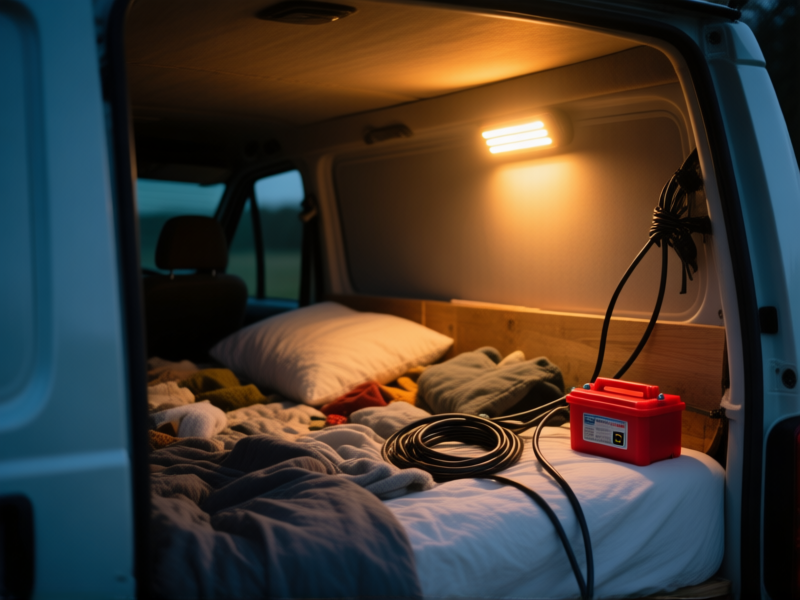
Right. You want lights. A fan for when it's hotter than regret in this tin can. And to charge your damn phone. That's it. You don't need a $2k system that could launch a satellite. You need reliable juice for the basics, without re-mortgaging your soul. This is that system. It's not fancy. It's functional. And the best part? You can do it in a weekend with basic tools and the patience to watch a few YouTube videos. Let's get the lights on.
The "$200" Myth (And The Real, Still Cheap, Math)
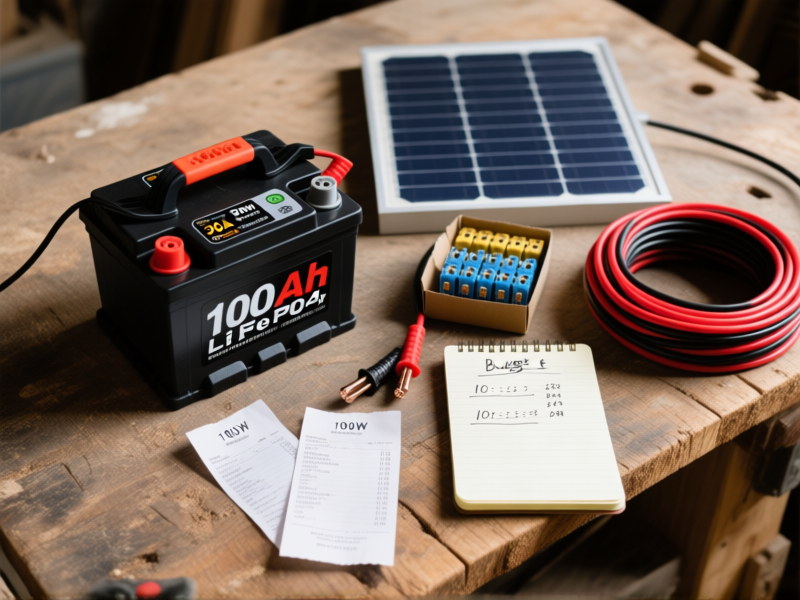
Okay, $200 is the dream. Realistically, you're looking at $300-$400 if you buy everything new. But here's the thing: that's still absurdly cheap for total energy independence. The big secret? Lithium (LiFePO4) batteries. Seriously. Forget lead-acid. A 100Ah lithium battery costs what a good AGM used to, it's half the weight, and you can use the whole thing without killing it. That one change is the game. Pair it with a single 100W solar panel and a simple controller. That's your core. Everything else is just delivery.
Your Shopping List: No Fluff, All Function
Time to shop. Don't overthink it. You need the core from the last section. Then, the "distribution": a simple fuse block. This is your power hub. From here, you run wires to your stuff. For gadgets: a 12V socket with dual USB ports. For lights: basic 12V LED strips or puck lights—dirt cheap, super bright, sips power. For airflow: a basic 12V computer fan or a cheap automotive fan. That's... basically it. No inverters. No complex monitoring. Just clean, direct 12V power where you need it. Simple.
Wiring It Up: It's Just Legos with Consequences
This is the part that freaks people out. Don't let it. Positive to positive. Negative to negative. Use the right size wire (thicker is safer). Put a fuse on EVERY positive wire coming from the battery. This isn't advanced physics; it's adult Legos where the consequence for messing up is fire. So be diligent. Start at the battery, run a thick wire to your fuse block. Then, lighter wires from the fuse block to your lights and fans. Ground everything to the van's metal chassis. It's just connecting dots. Test with a multimeter. Breathe.
Living With "Enough" Power
You won't be running a blender. You'll be strategic. Charge big devices during the day when the sun's out. Use the fan sparingly. But you know what? Your lights will always work. Your phone will never die. You'll have a breeze. That simple reliability changes everything on the road. No anxiety. No listening for a generator to finish. You built it, you understand it, you can fix it. That peace of mind is worth more than any gadget you can't plug in.
Stop Planning, Start Building
You've read enough. You've watched the videos. The only thing left is to buy the parts and make the first cut. Order the battery. Get the solar panel. Everything else is plug and play. This isn't the perfect system. It's the *first* system. The one that gets you out there, with light and a charged phone, while you figure out what you really need next. You can always add more later. But you can't add more time waiting for the "perfect" plan. Go get powered up.