The Cheapest Ways to Park Your Van Overnight (Legal & Safe)
The Classic: Big Box Store Parking Lots
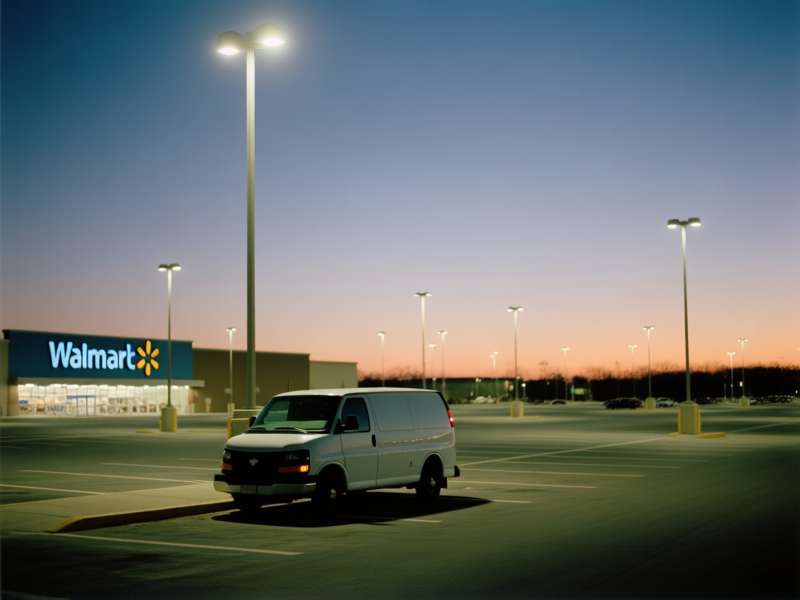
Let's start with the elephant in the room. Walmart. It's the go-to for a reason. Many locations (not all!) allow overnight parking. It's free, it's usually well-lit, and you can grab a cheap snack. The trick? Always ask inside. I'm serious. A quick chat with a manager is the difference between a peaceful night and a rude knock at 3 AM. Look for stores in smaller towns or on the outskirts—they're more chill. And don't be *that guy* who sets up the lawn chairs and grill. Be discreet. Park out toward the edges. Buy something. Be a ghost. It's a privilege, not a right.
The Gold Standard: Public Lands (A.K.A. The Real Boondocking)
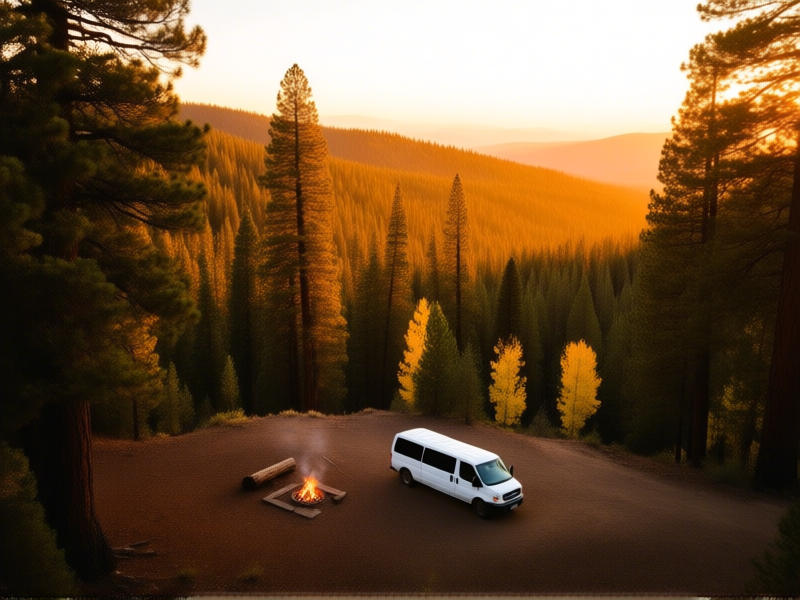
This is where the magic happens. You want a view that doesn't suck and you don't want to pay for it? Public land is your answer. We're talking National Forests, Bureau of Land Management (BLM) areas, and some Wildlife Management Areas. Dispersed camping. That's the term. It means camping outside of a designated campground. It's often completely free. Here's the thing: you need to do your homework. Use apps like iOverlander or the official Forest Service website. Look for "dispersed camping" areas or forest service roads. The rules are simple: pack out ALL your trash, stay within the stay limits (usually 14 days), and don't be a jerk to the environment. This is the real deal.
The Road Trip Savior: Rest Areas & Truck Stops
You're on I-80, it's 1 AM, and your eyelids are made of concrete. Pull over. Rest areas are built for this. They're legal, they're safe(ish due to traffic), and they're 100% free. The vibe is purely functional. You're not camping, you're recovering. Park near the trucks if you want more light and a sense of security. Truck stops like Love's or Pilot are next-level. For the price of a coffee or a shower, you get a safe spot, 24/7 amenities, and maybe even WiFi. It's not scenic. It's not peaceful. But when you need a pitstop, it's a lifesaver.
The Under-the-Radar Spot: City Streets & Industrial Parks
This one requires a bit of street smarts and a heavy dose of checking local ordinances. Some cities have no overnight parking laws. Some neighborhoods are fine. Industrial areas after business hours can be dead quiet. The key here is blending in. Your van shouldn't scream "someone is living in here!" No vents hanging open, no curtains constantly drawn. Rotate your spot. Never stay more than one night. And for the love of all that is good, be quiet and leave zero trace. It's stealth camping. It's not for everyone, but for a single, low-key night in a pinch? It works.
The Social Hack: Harvest Hosts & Parking Apps
Okay, this one isn't always free, but it's cheap and awesome. Harvest Hosts is a membership that lets you park overnight at wineries, farms, and museums. Usually for free. The expectation? You support the business. Buy a bottle of wine, some fresh veggies. It's a fantastic, legal, and safe experience. On the free side, lean on the community. Apps like iOverlander and FreeRoam are built on user-submitted spots. You'll find everything from Walmart confirmations to secret forest service pullouts with photos and recent reviews. It's crowd-sourced intel. Use it.