The Real Cost of Van Electrical Systems: Solar, Batteries, and Inverters
The Shocker: Yeah, You're Probably Under-Budgeting

Let’s be real. Most van build budget sheets have a line for "electrical" with a hopeful, round number scrawled in. Six hundred bucks? A thousand? It's a nice thought. Then you start digging into forums, hearing words like 'amp-hours' and 'pure sine wave,' and that number starts to look... cute. Here's the thing: your power system isn't an accessory. It's the beating heart of your life on the road. Treating it like an afterthought is the fastest way to end up with dead laptops, a fridge full of spoiled food, and a whole lot of frustration at a remote campsite. We need to talk about real numbers.
Solar Panels: The Sun Tax (It's Worth Paying)
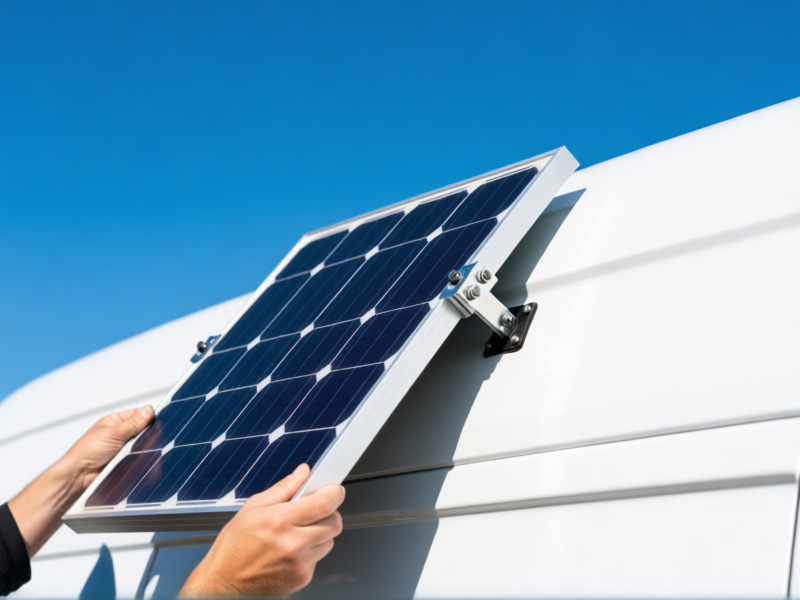
Okay, let's start with the sun catcher. A basic 100W rigid panel? You can find those for $100 on a good sale. That’s the gateway drug. But if you binge Netflix and work on a laptop, you need more. Like, 300-400 watts more. A quality 200W flexible panel runs $250-$350. A top-tier 400W rigid setup with mounting brackets can easily touch $700. The big question: rigid or flexible? Rigid is cheaper per watt and lasts longer. Flexible looks slick but costs more and can cook itself on a hot roof. My two cents? Go rigid. Suck up the aesthetics. Your wallet (and future self) will thank you. This is not where you "save" money.
Batteries: The Heart (and Wallet) of the System
This is it. The biggest line item. The choice that haunts your dreams. You have two paths. Path one: cheap, heavy, disappointing lead-acid. A 100Ah deep cycle might be $200. But you can only use half its capacity before you kill it. So really, it's a $200 50Ah battery. Path two: lithium. Specifically, LiFePO4. A 100Ah LiFePO4 battery is a true 100Ah. It's lighter, safer, and lasts years longer. The price? Brace yourself. $800 to $1,200 for a good one. It hurts. I know. But think of it as buying ten years of peaceful, reliable power versus two years of babying a dying brick. The lithium tax is real. And, honestly, it's non-negotiable for a serious setup.
The Inverter: Your Silent Power Butler
This magic box turns battery juice (DC) into wall-outlet juice (AC). Need to charge a fancy camera battery or run a small induction burner? You need one. A cheap 1000W modified sine wave inverter is maybe $100. It'll also make your sensitive electronics hum and potentially fry them. A quiet, reliable 2000W pure sine wave inverter? $400-$600, easy. Don't cheap out here. The difference isn't just noise—it's about not replacing your $1,500 MacBook. Size it for your biggest appliance, then add a 20% buffer. It just sits there, silently working. Pay for the good butler.
The "Oh Crap" Budget: Wires, Switches, and Fuses
Nobody daydreams about wiring. But this is where budgets go to die. You need heavy-gauge copper cable. Lots of it. For the big runs from batteries to inverter, you're looking at $2-$4 *per foot*. Then you need fuse holders, mega-fuses, circuit breakers, bus bars, lugs, a quality battery monitor (that's another $150+), and a decent charge controller to manage the solar. Add in mounting hardware, heat shrink, and a rat's nest of smaller wires. A full, safe wiring kit for a mid-size system can easily add $500-$800 to your total. It's the boring, critical stuff. Skimp here and you're a rolling fire hazard.
So, What's the Damage?
Let's stop talking abstractly. A bare-minimum, "I just want lights and a fan" setup with a small battery and panel? Maybe $1,200, if you're lucky. A solid, reliable mid-tier system for the digital nomad (300W solar, 200Ah LiFePO4, 2000W inverter, proper wiring)? You're staring down $3,000 to $4,000. A top-shelf, "I live in here year-round and run an espresso machine" powerhouse? That's $5,000 and up. The real cost isn't just the gear. It's peace of mind. It's knowing your system won't fail when it's raining for the third straight day. Budget for the mid-tier. Seriously. Cut costs on the couch, not the electrons.