The Ultimate Guide to Free Camping in the USA (BLM, National Forests)
Free Camping Isn't a Hack. It's Your Right.
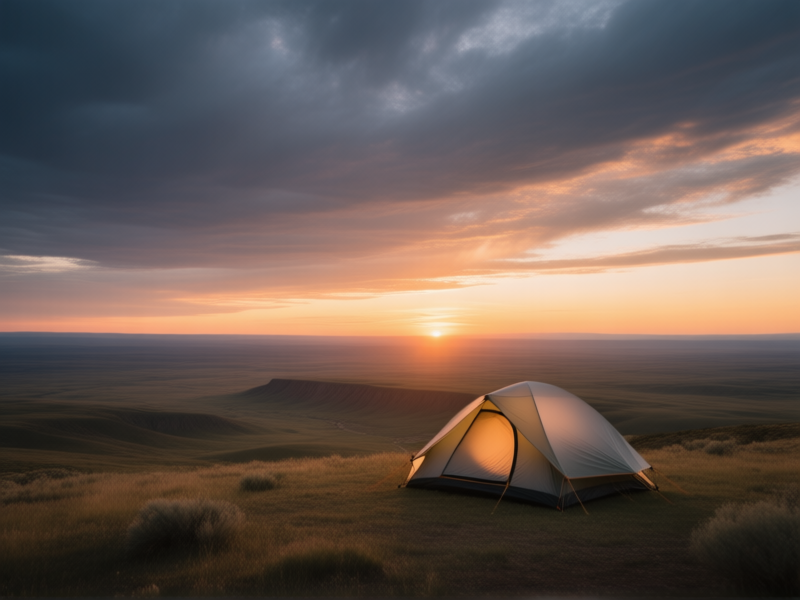
Let's cut through the noise. You see those glossy van life influencers parked by alpine lakes? They're not paying $50 a night. They're using a system that's been here for decades. Free camping on America's public lands isn't some secret club. It's a right you have as a taxpayer. It’s the ultimate frugal lifestyle hack that trades cash for something better: true solitude and raw, unfiltered nature. Let's get you in on it.
BLM Land: The Big, Beautiful, and Boring (In the Best Way)
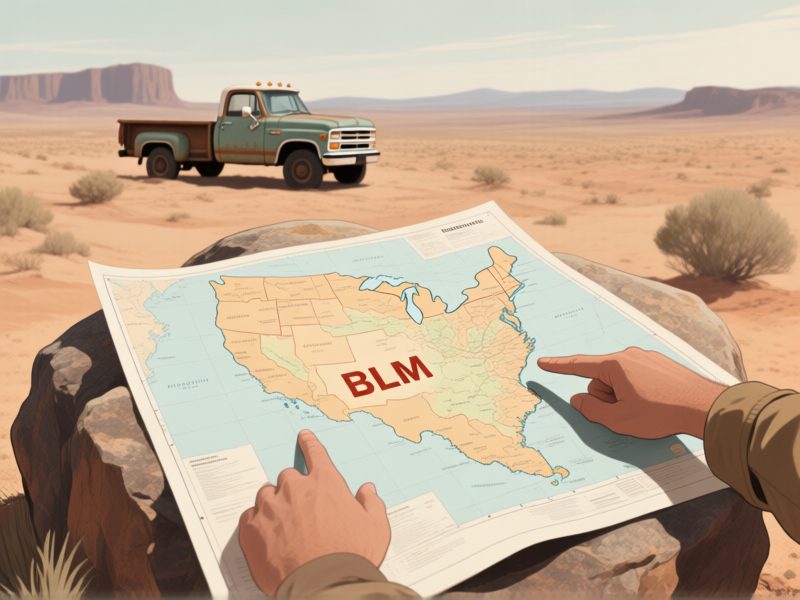
Bureau of Land Management. Sounds bureaucratic, right? It is. And that's why it's amazing. The BLM manages 245 million acres, mostly in the western U.S. Most of this land is "multiple-use," which is government-speak for: yes, you can camp here. Think sweeping desert vistas, lonely mesas, and quiet creek beds. The rules are simple. You're looking for "dispersed camping"—camping outside of a designated, developed campground. No amenities. No fees. Just you and a whole lot of space. The biggest rule? Move every 14 days.
Your National Forest Backyard (With Pine Needles)
If BLM land is the sprawling desert cousin, National Forests are the wooded sanctuary. Managed by the USDA Forest Service, these are your gateways to mountain air and evergreen shadows. Same principle applies: find a pull-off along a forest service road, scout a flat spot that's already been used, and set up. It's often cooler, shadier, and feels more like "traditional" camping. Pro tip: the MVUM (Motor Vehicle Use Map) is your bible here. It shows every legal road and dispersed site. Get it.
How to Actually Find a Spot (Without Getting Lost)
Forget wandering aimlessly. That’s a one-way ticket to frustration. You need digital scouts. Start with the government: visit the BLM or Forest Service website for the area you're targeting. Read the specific rules. Then, hit the crowd-sourced goldmines. FreeRoam and iOverlander are non-negotiable. These apps show you verified spots, photos from other campers, and crucial details like cell service and road conditions. Trust the reviews. If three people say the road needs high clearance, believe them. Your sedan will thank you.
The Unspoken Rule: Pack It In, Pack It Out... And Then Some
Here's the thing. This access is fragile. I've rolled up to dream spots only to find them trashed. It makes you furious. “Leave No Trace” isn't a suggestion. It's the price of admission. Pack out ALL your trash—yes, including toilet paper in a sealed bag if there's no toilet. Bury human waste 6-8 inches deep and 200 feet from water. Use existing fire rings. Don't cut live trees. Be the person who leaves the site better than they found it. This isn't just camping etiquette; it's a rebellion against the idiots who ruin it for everyone.
Gear Up for Self-Sufficiency (It's Not That Scary)
No host equals no safety net. You need water, power, and a plan. Start with more water than you think. A 5-7 gallon jug is a good baseline. A basic portable power station and a 100-watt solar panel will keep your phone and lights going for days. Get a good cooler. And for the love of all that is holy, have a reliable paper map. Cell service is a luxury, not a guarantee. This sounds like a lot, but it's just a few key pieces. This gear pays for itself in about three nights of saved campground fees.