Van Life with Pets on a Budget: Food, Vet Care, and Safety
Look, Let's Have "The Pet Talk" Before You Hit the Road
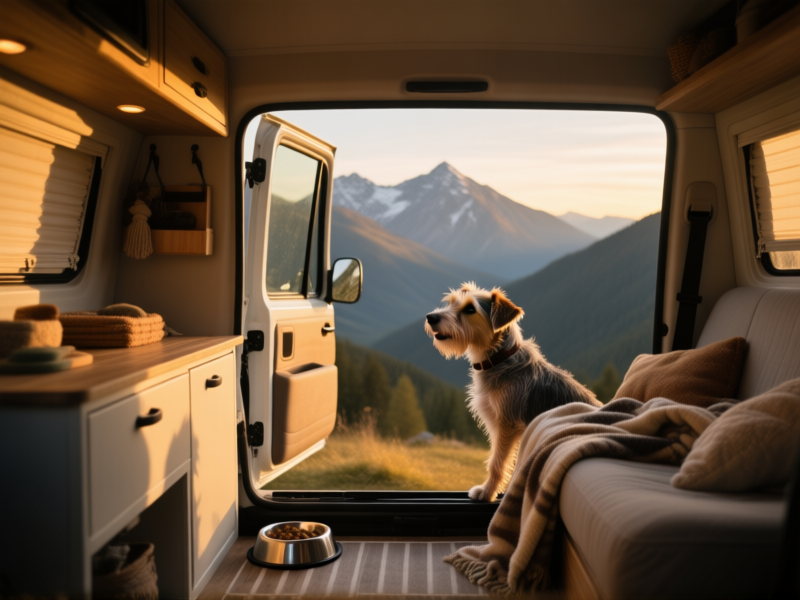
So you're thinking about van life. And you're thinking about taking your furry co-pilot. Good. They're probably the best decision you've ever made. But here's the thing: doing this on a budget isn't just about finding free camping. It's about rethinking how you care for your pet. It's a constant, low-grade background hum of "How do I keep this creature happy, healthy, and safe without a fixed address?" Let's get into it.
Pet Food: It Doesn't Have to Cost a Fortune (or Fill a Cupboard)
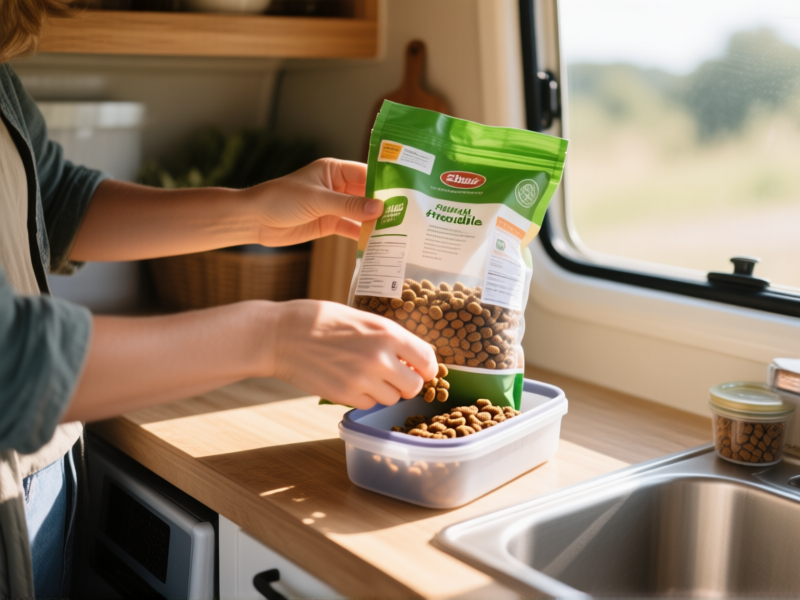
Forget the artisanal, boutique pet food aisle. That's for people with pantries. Van life reality check: space is currency. You can't stockpile 30-pound bags. The budget-friendly shift is two-fold. First, buy the biggest bag of quality kibble you can realistically store. Portion it into sturdy, airtight containers to save space and keep it fresh. Second, get creative with supplements. A spoonful of plain canned pumpkin (great for digestion) or a raw egg mixed in a couple times a week is cheap, healthy, and beats the price of premium wet food. Hydration is key, so their water bowl is a non-negotiable priority, always full, always clean.
Vet Care: Your New Monthly "Subscription Fee"
This is where most van lifers get spooked. Emergency vet bills can bankrupt a trip. So you get smart. Actually, you get proactive. Factor a monthly "pet care fund" into your budget like it's your internet bill. Skip one coffee shop latte a week and you're halfway there. Next, embrace telemedicine. Services like Vetster are a godsend for non-emergency consults, refilling prescriptions, and getting peace of mind without a $100 clinic visit. Finally, be a vaccine and records ninja. Keep a digital copy of everything. Plan your routes around low-cost vaccination clinics, often found at farm supply stores. It's not glamorous, but neither is a $2,000 bill for a preventable illness.
Safety: It's More Than a Harness (But Definitely Get a Harness)
This isn't optional. Your pet is a projectile in a crash. A simple harness clipped into a seatbelt anchor is the bare minimum. Think of it as their airbag. Now, temperature. The #1 rule: if you're not comfortable, they're not comfortable. Fans, sunshades, and reflective window covers are cheap life-savers. Never, ever leave them alone in a sealed van on a warm day. Not for five minutes. It's a mobile oven. For off-grid peace of mind, a simple GPS tag on their collar is worth every penny. Because "Lost Dog" posters don't work when you're 50 miles from the nearest town.
Finding "Dog Friendly" Spots That Don't Suck
"Dog friendly camping" on a budget means one thing: public land. National Forests and Bureau of Land Management (BLM) areas are your holy grail. They're usually cheap or free, and your dog can actually be a dog. But. You have to be the ultimate responsible owner. Always have a leash, even if you don't use it. Pack out their waste religiously. This isn't a suggestion; it's the ticket to keeping these places open for us. Be quiet, be clean, and for the love of all that's good, don't let them chase wildlife. Apps like iOverlander and FreeRoam are your best friends for finding these spots.
The Real Cost is Your Attention
At the end of the day, the biggest budget item isn't food or vet bills. It's you. Your patience. Your awareness. Your willingness to stop the van for an extra sniff break or change plans because a place feels sketchy for your dog. It's listening to them. They'll tell you when they're stressed, hot, or bored. This life strips everything down to essentials. And your pet? They're the ultimate essential. The one that makes a metal box on wheels feel like a home. So budget your money wisely. But with your time and attention? Be reckless.
[ARTICLE END]